
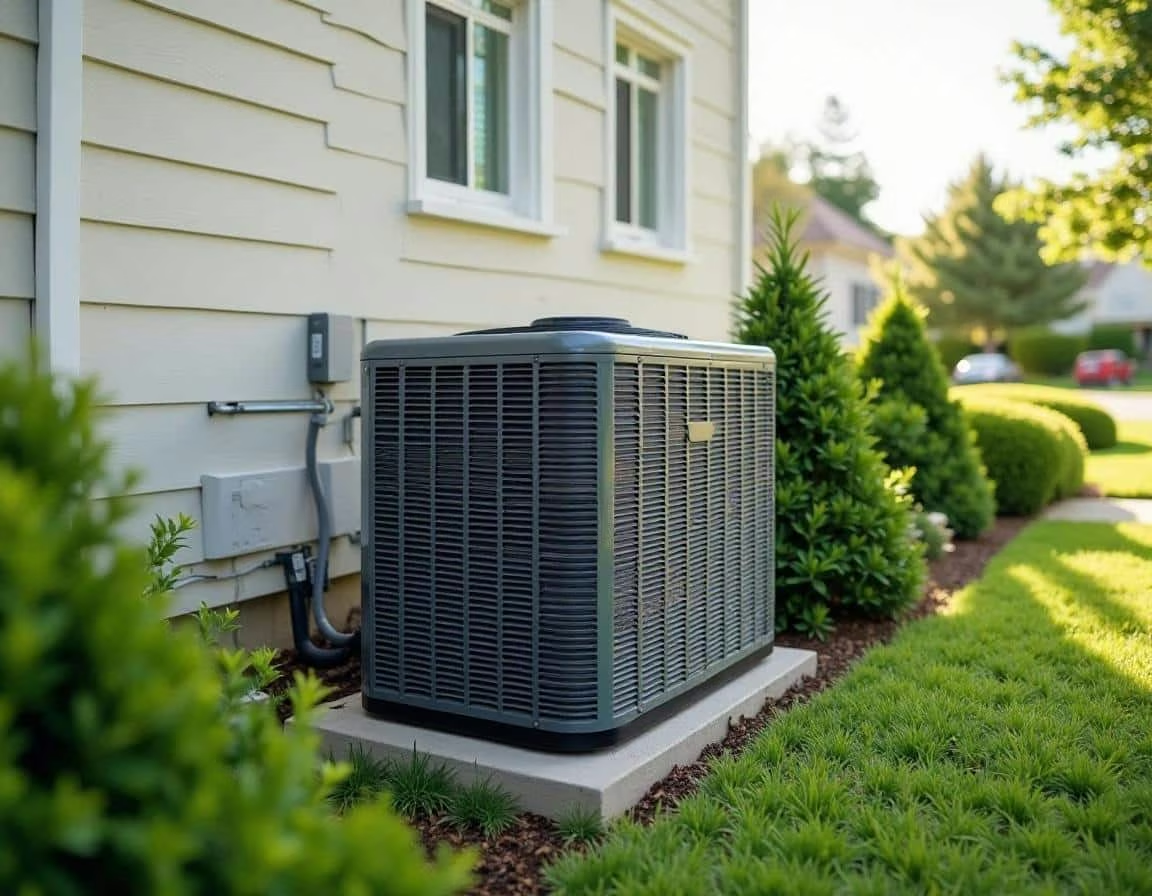
Sacramento’s heat strains traditional AC systems, raising bills and causing uneven cooling. When comparing central AC to mini splits, focus on how each handles extreme conditions. This guide highlights key differences to help you choose the best option for your home and budget.
Central AC vs Mini Split in Sacramento: A Detailed Comparison
In triple-digit temperatures, your system must work efficiently and reliably. Here’s how each option compares.
Ductless Mini Splits
Ductless mini split systems are designed for flexibility and efficiency. They consist of an outdoor compressor and one or more indoor air handlers installed in specific rooms or zones.
Inverter technology is a major advantage. Mini splits don’t just turn on and off - they adjust speed for steady temperature. During Sacramento’s heat waves, your system maintains comfort without overworking.
These features often give mini-splits higher SEER and EER ratings. In practical terms, you use less energy and enjoy more consistent cooling, even in peak heat.
Central AC Systems
Central air conditioning uses a single system connected to ductwork that distributes cool air throughout your home. It’s a familiar setup and works well in many cases.
Ductwork wastes considerable energy. According to the National Renewable Energy Laboratory, homes can lose up to 30% of cooled air through ducts. (Source: NREL). In Sacramento, that loss adds up quickly.
Central systems also often run at full capacity during extreme heat. That constant strain raises energy bills and causes more wear over time. To maintain high efficiency, schedule regular duct cleaning and ensure proper insulation.
Cost Comparison of Ductless vs. Central AC
Initial installation cost
- Central AC costs less per unit, but new or upgraded ductwork quickly raises the total price.
- Mini splits cost more per zone upfront, but you skip duct installation.
Long-term savings
- Mini splits lower monthly energy bills with higher efficiency and zoned cooling.
- With fewer parts and no ducts, mini-splits cost less to maintain in the long term.
Rebates and incentives
California homeowners get rebates or tax credits for efficient systems. These lower upfront costs are especially true for ductless options.
Mini Split Advantages for Sacramento Living
If you are seeking tailored comfort in your home, consider mini splits as an effective solution.
Zoned cooling
Cool only the rooms you use. This approach works well for home offices, guest rooms, or detached spaces like a casita.
Efficiency in extreme temperatures
Mini splits deliver consistent performance, even during long heat waves. Many systems offer smart controls for precise temperature management.
Quiet operation
Indoor units operate nearly silently. You’ll notice the difference in bedrooms and living areas.
Flexible design
Choose wall-mounted, ceiling cassette, or floor-mounted units based on your space.
Custom comfort
Rooms with more sun exposure can be cooled differently from shaded areas. You stay comfortable without overcooling the entire house.
Installation and Maintenance Considerations
Central AC installation gets complex without existing ducts. Expect to open walls or ceilings, which adds time and cost. You can install mini splits easily with a small wall opening and cause minimal disruption.
Mini split maintenance is also quite straightforward. Its washable filters and ductless design reduce your effort and long-term costs.
Ideal Scenarios: When to Choose Mini Split Air Conditioners?
Best fit for mini splits
- Older homes without ductwork
- Renovations or room additions
- Garage conversions or detached studios
- Homeowners who want to reduce energy use by cooling specific areas
When central AC makes more sense
- Large households that need consistent whole-home cooling
- Homes with modern, well-sealed duct systems
- Situations where a single system is preferred for simplicity
Real Customer Experience: How We Choose the Best AC Systems
Choosing a perfect AC isn’t always simple. Many homeowners need clear guidance on what works best.
For example, a homeowner, FaZe Rug, described the process as confusing at first. They needed a new AC system but were unsure what to expect or how the installation would proceed.
Our team addressed these concerns through ongoing communication and careful workmanship. We explained each step of the process and maintained a clean, organized workspace. FaZe Rug noted in his Google review that the service was professional, and everything was explained clearly. You can read his full review here.
The result was more than just a working system. The home now has reliable cooling and heating, and the homeowner feels confident in the system’s long-term performance. That kind of outcome is what we aim for every time.
Why is Professional Guidance Crucial?
Sacramento’s climate requires careful selection of systems. The wrong choice leads to higher costs and lasting discomfort.
Professional guidance is essential. Proper sizing, zoning, and placement determine system performance. Too small a unit won’t keep up; too large wastes energy.
Licensed HVAC professionals make sure your installation meets California codes and permit requirements. This protects your investment and keeps warranties valid.
Get Reliable and Efficient Cooling Solutions for Hot Climates
When it comes to staying comfortable in Sacramento, you need more than just a working AC system. You need one that’s built for long-term performance.
At American Energy Home Pros, our licensed California team (License #1083187) uses 45+ years of HVAC experience, offering end-to-end service from system design to permits. We provide transparent pricing, detailed estimates, and workmanship warranties so you know what to expect.
Whether you’re upgrading or starting fresh, our comprehensive AC services in Sacramento are designed to keep your home cool and efficient.
Ready to get started? Contact us today for a consultation or appointment.
FAQs
Which system performs better in Sacramento’s hot, dry summer climate: central AC or ductless mini split?
Mini splits often perform better in extreme heat due to variable-speed operation and higher efficiency ratings.
How do energy efficiency ratings (SEER2) compare?
Ductless mini-splits typically have higher SEER ratings, meaning better energy efficiency compared to most central AC systems.
What are the installation requirements and costs?
Central AC may require ductwork installation, which can increase costs. Mini splits are easier to install but cost more per zone upfront.
Are ductless mini-splits compliant with California Title 24 standards?
Yes, most modern mini-splits meet or exceed California energy efficiency requirements.
How does ductwork condition affect the decision?
Poor or aging ductwork can reduce central AC efficiency, making mini splits a better option in older homes.
Which system has better long-term costs?
Mini splits usually offer lower operating and maintenance costs due to higher efficiency and fewer components.
Can a mini split cool a whole house?
Yes, with multiple indoor units, a mini split system can effectively cool an entire home, though central AC may be simpler for uniform cooling.
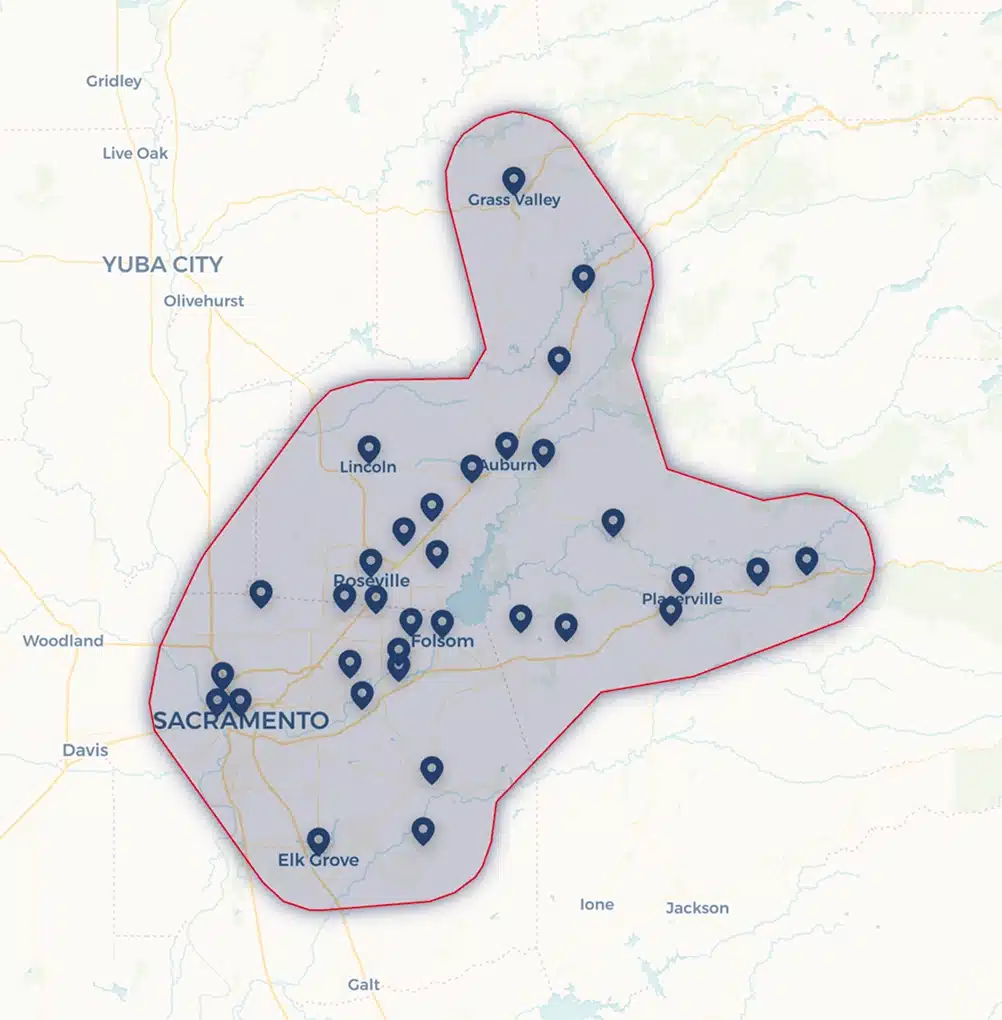
HVAC & plumbing across greater Sacramento.
From Loomis to El Dorado Hills, our team services 35+ communities for both HVAC and plumbing. If you're in the area, we can be at your door - usually same day.
Communities we serve (HVAC + plumbing):
 1,100+ reviews
Hear what our customers are saying



Carter from American Energy exceeded my expectations for a standard inspection. He left our HVAC system looking bright and shiny! He called before and was able to come by early. Really appreciated that!


Greg Rangel was on time, gave me a courtesy call before he arrived, and once he arrived, he called to find out the issues with the AC and got to work. Greg provided me with information about the AC unit after he found out what was happening, and he walked me through the process and the cost! He also changed the filter! I am now a member due to his outstanding customer service. Thank you, Greg, for your professionalism.
This company responded immediately to address an air conditioning problem for my elderly Mother during 100 degree heat. They responded in just a couple of hours. Greg Rangel was the technician and fixed the problem. He did explain the unit was older and would soon need replacement. He thoroughly explained this to me and offered a senior discount for my Mother and a lower priced unit. Job well done and thank you.
Technician conducted a thorough inspection of the HVAC system while maintaining a friendly and positive demeanor.
I recently had an air duct cleaning and I am very happy with the results. The team was so knowledgeable and personable. I would use them again for this or other HVAC needs.
Quick scheduling and professional service. I will use them again and again. Thank you!!
Great A/C service by Garrett. He was very thorough and knowledgeable on his service. Would highly recommend.
Truly professionals. Garrett showed up at scheduled time, answered all my questions and did a thorough inspection of my unit. Never felt pressured or like I was trying to be sold on anything. He explained everything along the way. An issue was found on some wiring outside, I was shown the issue and given the option to have it fixed. He showed me the completed work and the material used. I would highly recommend this locally owned and operated company.
Greg arrived late Saturday evening and worked out the problem. He explained the problem and eventually determined it began with the original set up of the thermostat, which was wrong for a heat pump. The problem was fixed, and great credit to Greg for being enthusiastic, professional and staying until it was done.
We have had a great experience with everyone from American Energy. Today we had David, and he is a very nice young man, respectful, knowledgeable and very professional. I would recommend this company to all my friends and family.

